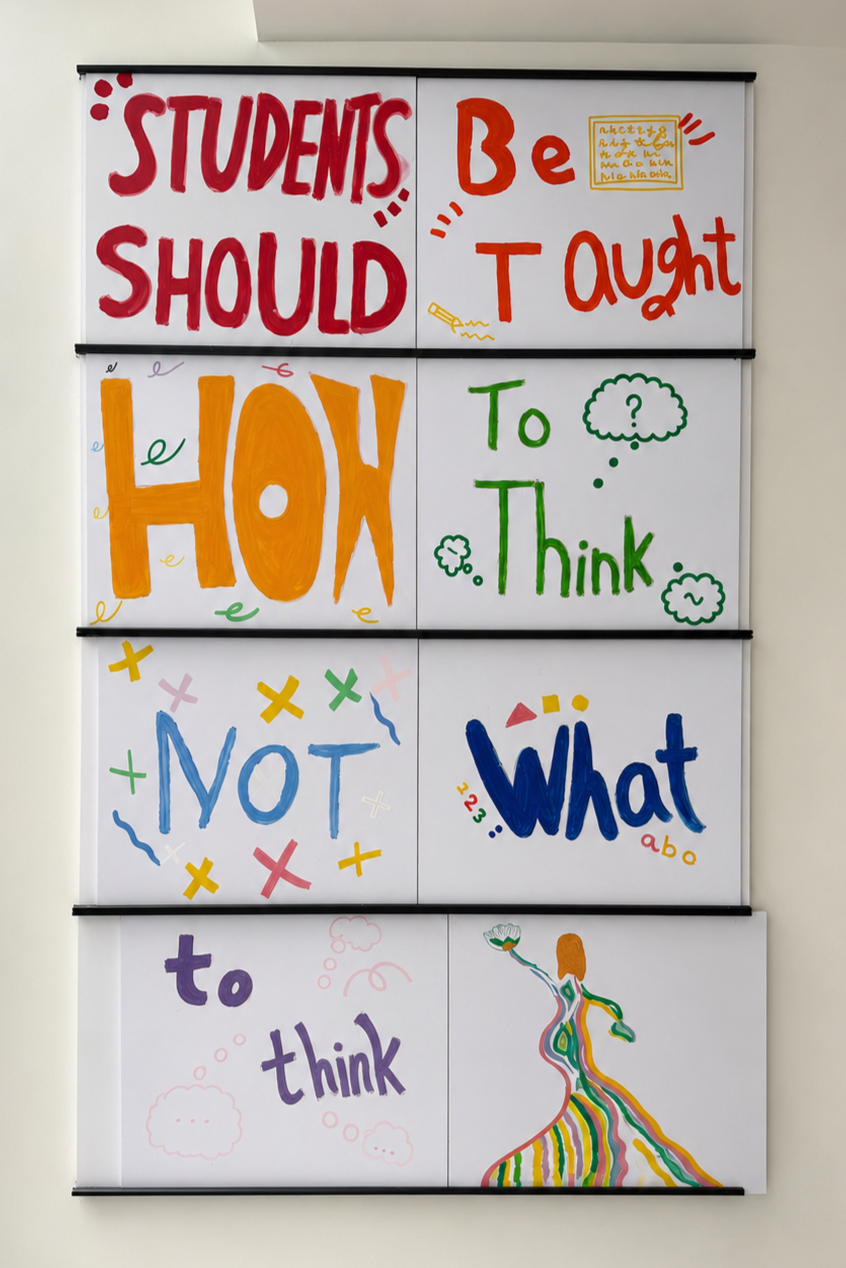
The ORIGIN Framework works within existing systems through small shifts in classroom structure and participation that help create more intentional, sustainable learning environments for both students and educators.
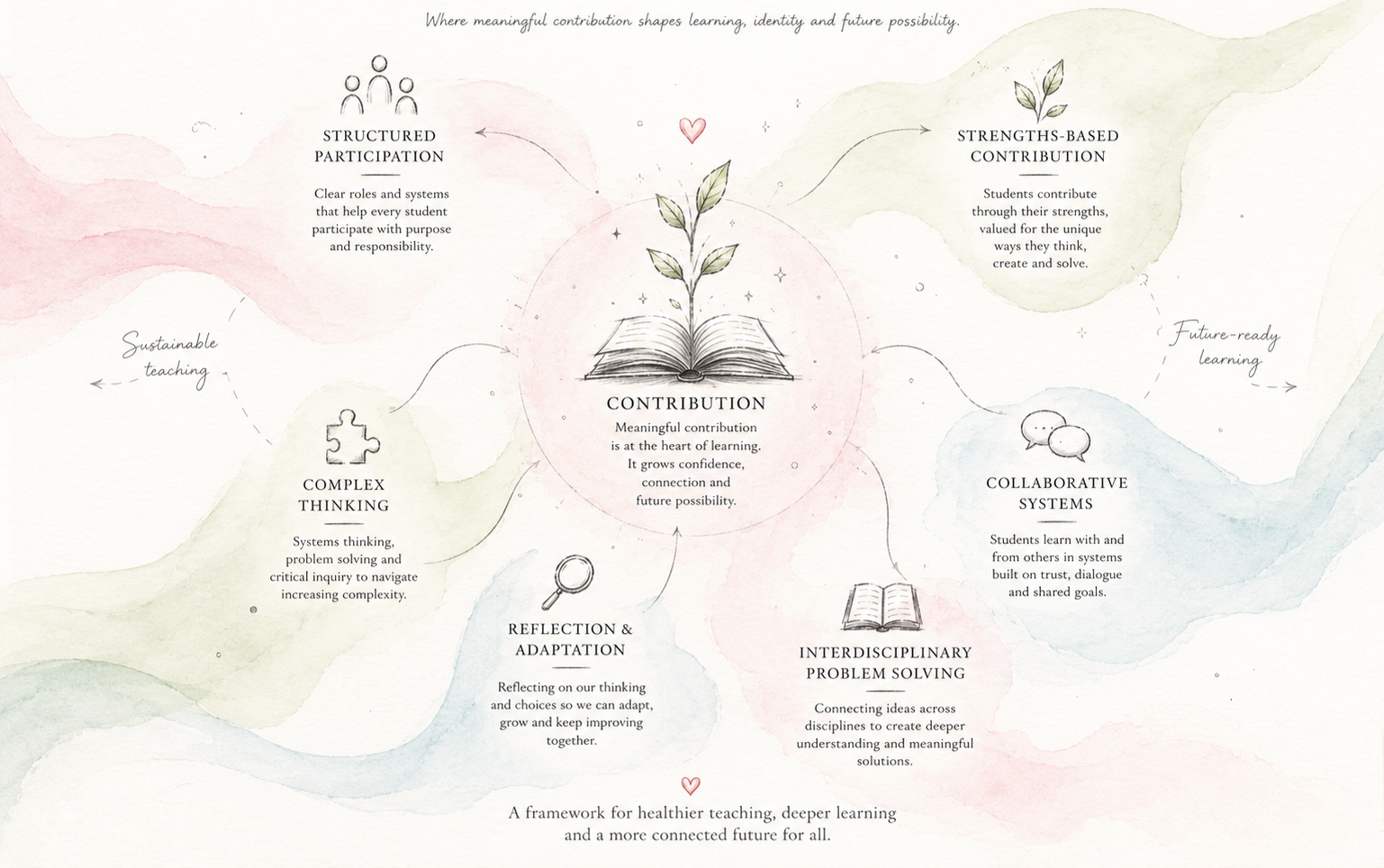

Strengths-Based Development for Teachers and Students
The ORIGIN Framework begins with strengths-based assessment for both students and teachers.
Students use this to understand how they think, collaborate, and contribute within a team. Teachers use it to better understand their own teaching strengths, classroom energy, and facilitation style, so the system supports the way they teach instead of adding another layer of pressure.
Learning Through Contribution
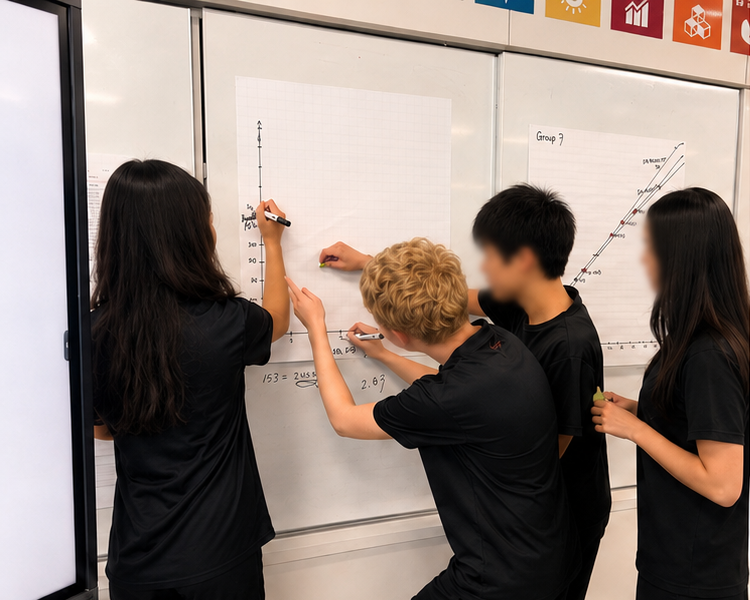
Through the strengths-based assessment, the ORIGIN Framework helps students contribute within structured collaborative environments that mirror real-world teamwork and problem solving.
Students begin understanding:
how they think
how they work with others
how they contribute within teams
and how different strengths support complex systems.
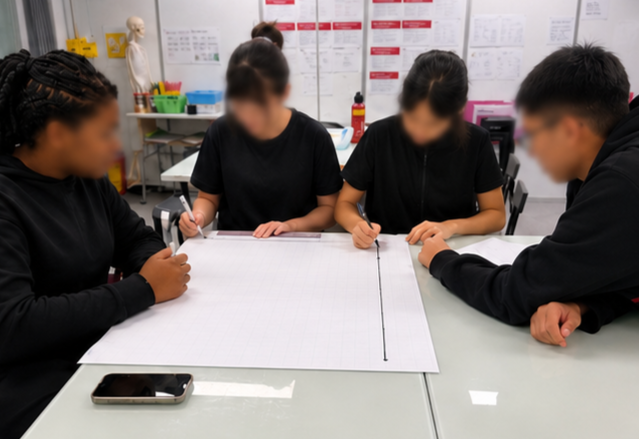
Structured Contribution Roles
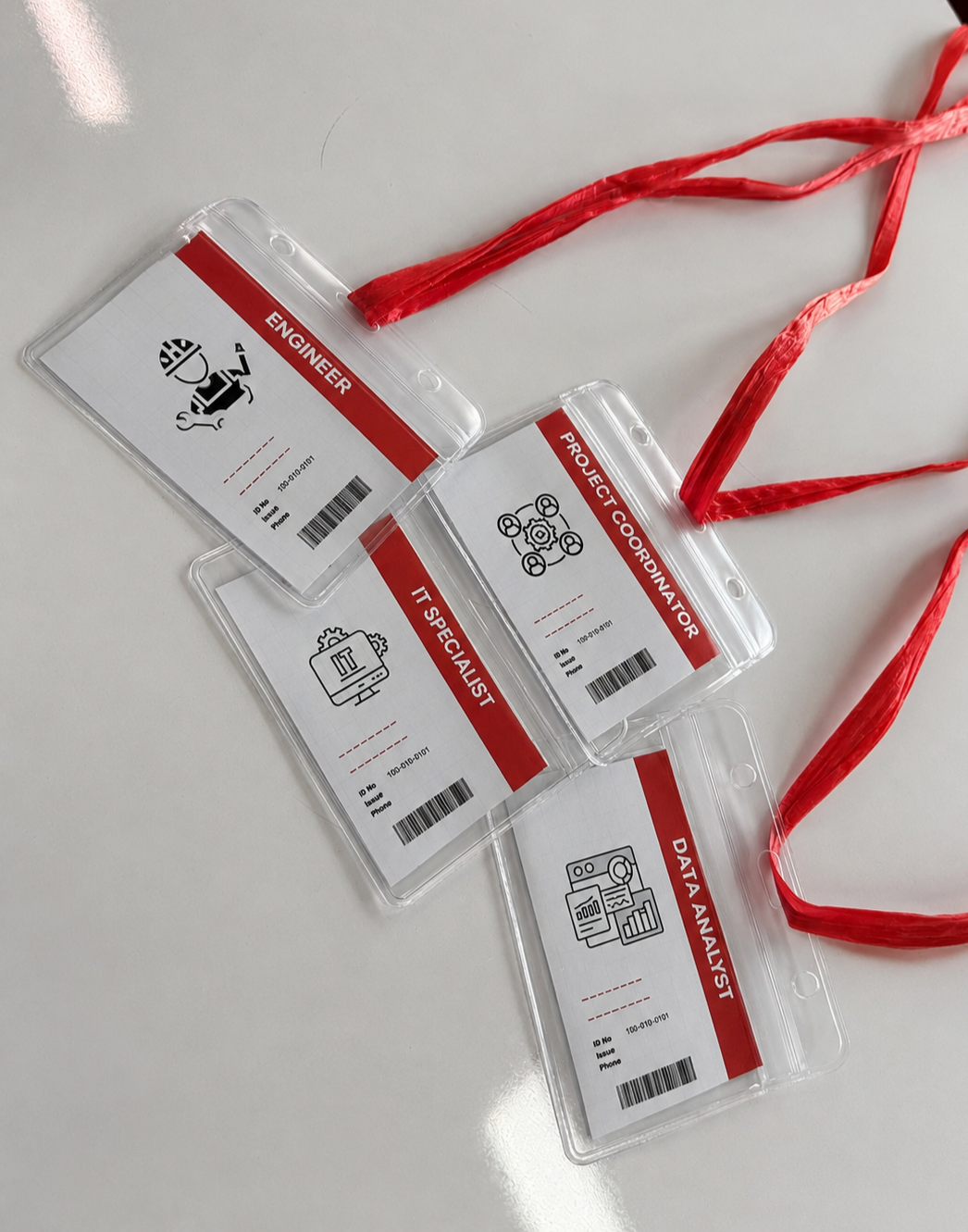
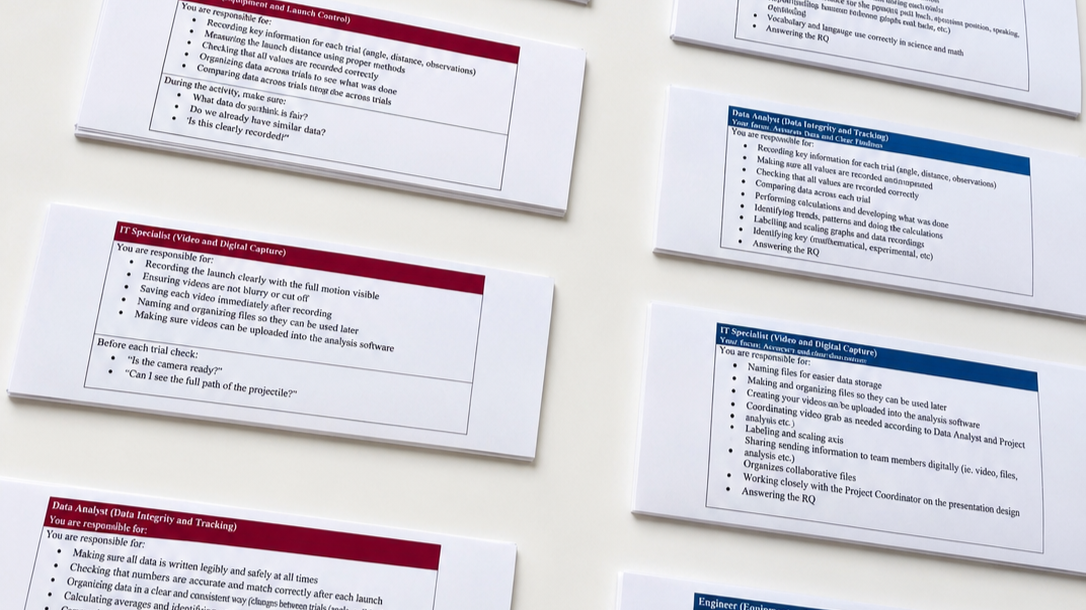
Students work within contribution-based roles inspired by real interdisciplinary environments, for example:
Engineer
Data Analyst
Project Coordinator
IT Specialist
Investors
These roles go beyond task division. They help students better understand how they think, communicate, collaborate, and contribute alongside people with different strengths and perspectives.
Within increasingly technology-driven futures, these experiences help students begin developing a stronger sense of professional identity while creating more equitable access to complex learning environments.
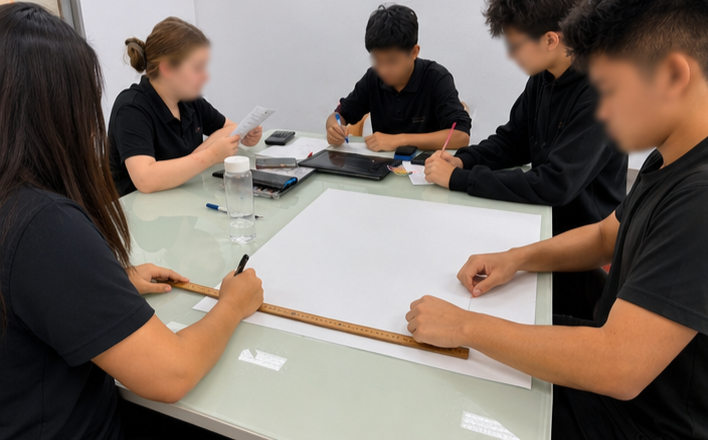
Specialist Meetings
Throughout projects, students periodically meet with peers who share similar contribution roles across different teams.
These meetings help students:
share strategies
solve problems collaboratively
develop role-based expertise
and experience how interdisciplinary systems function in real-world environments.
The Framework in Practice
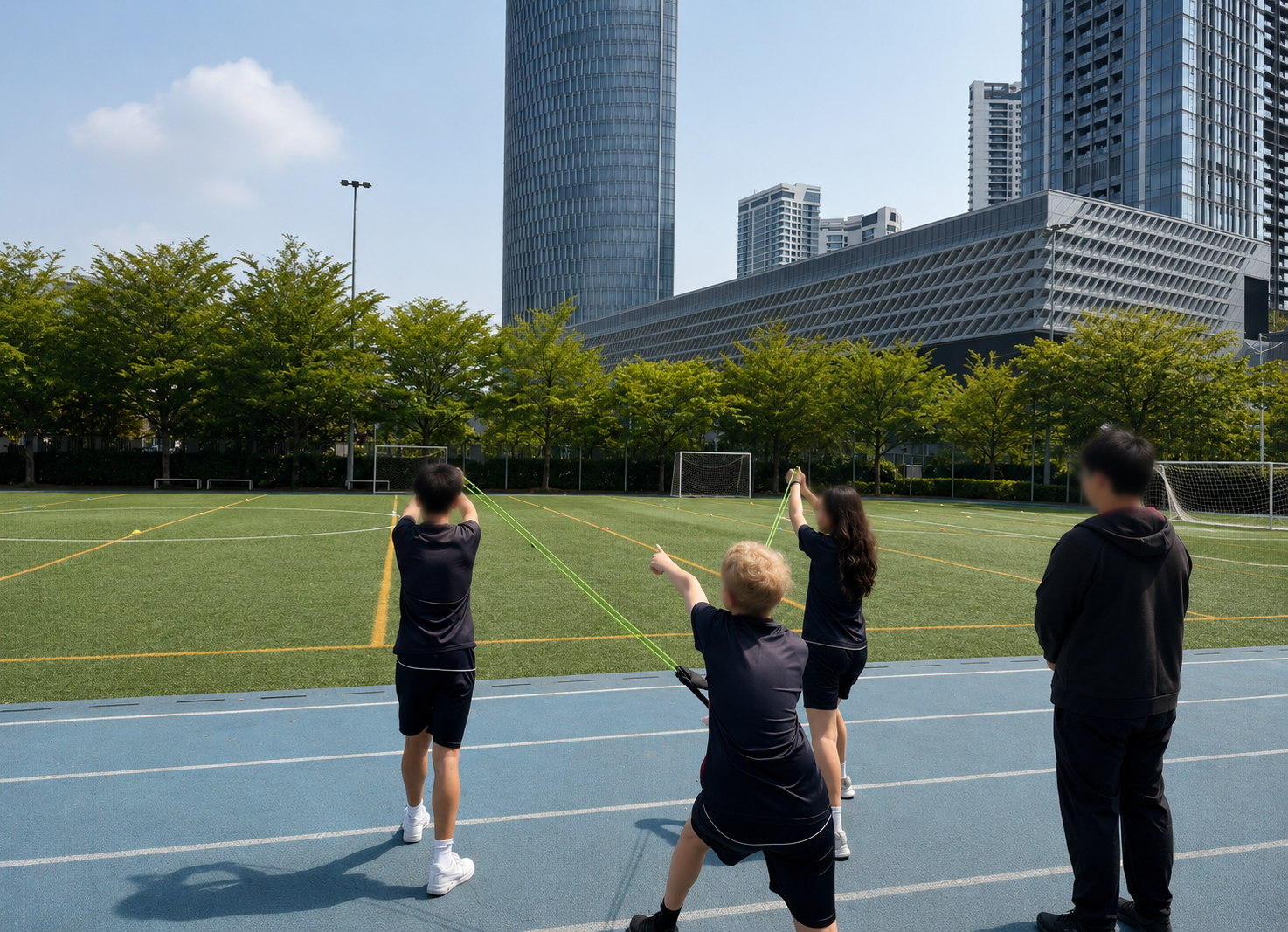
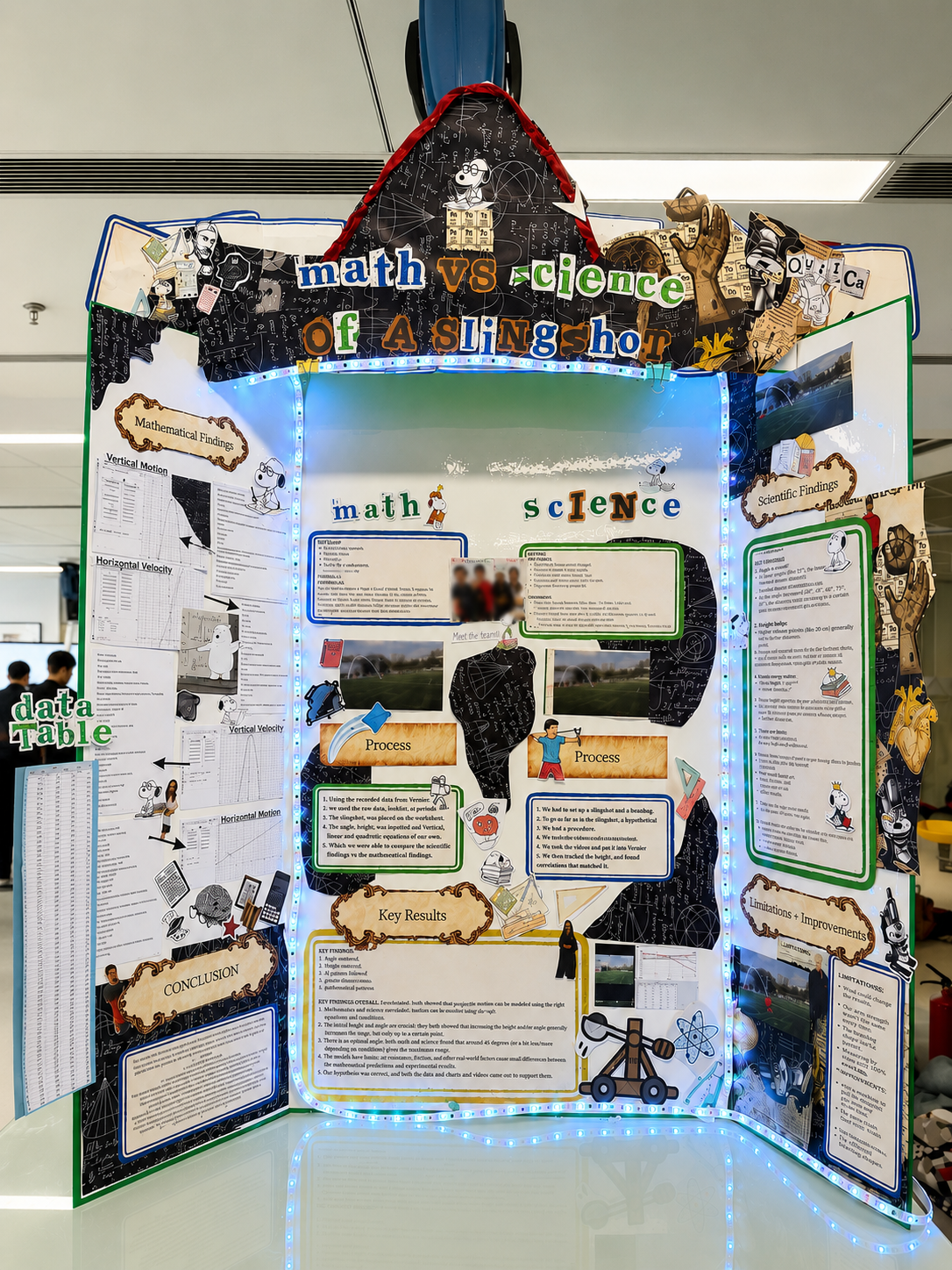
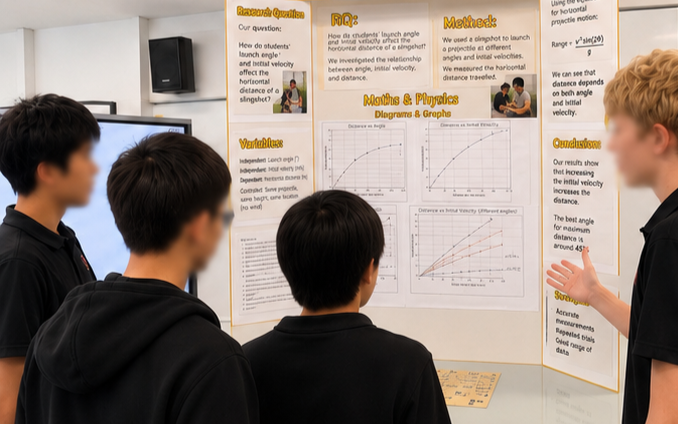
The ORIGIN Framework has already been implemented within interdisciplinary mathematics and science learning through:
strengths assessments
role alignment
collaborative systems
interdisciplinary modelling
student-led problem solving
structured reflection
The goal is to preserve academic rigour while helping students develop the human capabilities that will increasingly distinguish them in technology-driven futures, including communication, collaboration, systems thinking, adaptability, and purposeful contribution.

More Sustainable Classroom Dynamics
As students become more confident contributing within structured collaborative systems, responsibility within the classroom becomes more meaningfully shared across the learning environment.
This helps reduce the pressure on teachers to continuously carry every explanation, decision, and problem-solving process alone, while still maintaining meaningful structure, accountability, and academic rigor.
Benefits for Schools
The environments students experience every day shape what feels familiar, what feels possible, and ultimately, the kinds of people students believe they are capable of becoming.
The ORIGIN Framework helps schools create classroom environments where students regularly experience meaningful contribution, collaboration, and shared responsibility as a natural part of learning. Over time, these experiences begin to influence not only how students perform academically, but also how they begin to see themselves within future professional and human environments.
When students experience learning spaces where different strengths, perspectives, and approaches to thinking are genuinely valued, they often develop greater confidence in their own ability to contribute meaningfully alongside others. This helps create classrooms where more students feel that rigorous academic spaces belong to them too, rather than feeling like they are only designed for a select few.
At the same time, the framework is designed to support the teachers leading these environments. By creating clearer and more intentional systems for participation and collaboration, ORIGIN aims to make complex learning experiences feel more manageable, purposeful, and sustainable. Teachers are also encouraged to adapt the framework in ways that align with their own strengths, teaching styles, and professional identities.
Ultimately, the goal is to create healthier and more sustainable learning environments where both students and educators feel more connected to the learning process, to one another, and to the sense of purpose that brought them into education in the first place.