Origin Professional
Learning Experiences
The environments we spend time in shape our confidence, our identity, and our sense of possibility.
Design Meaningful Learning
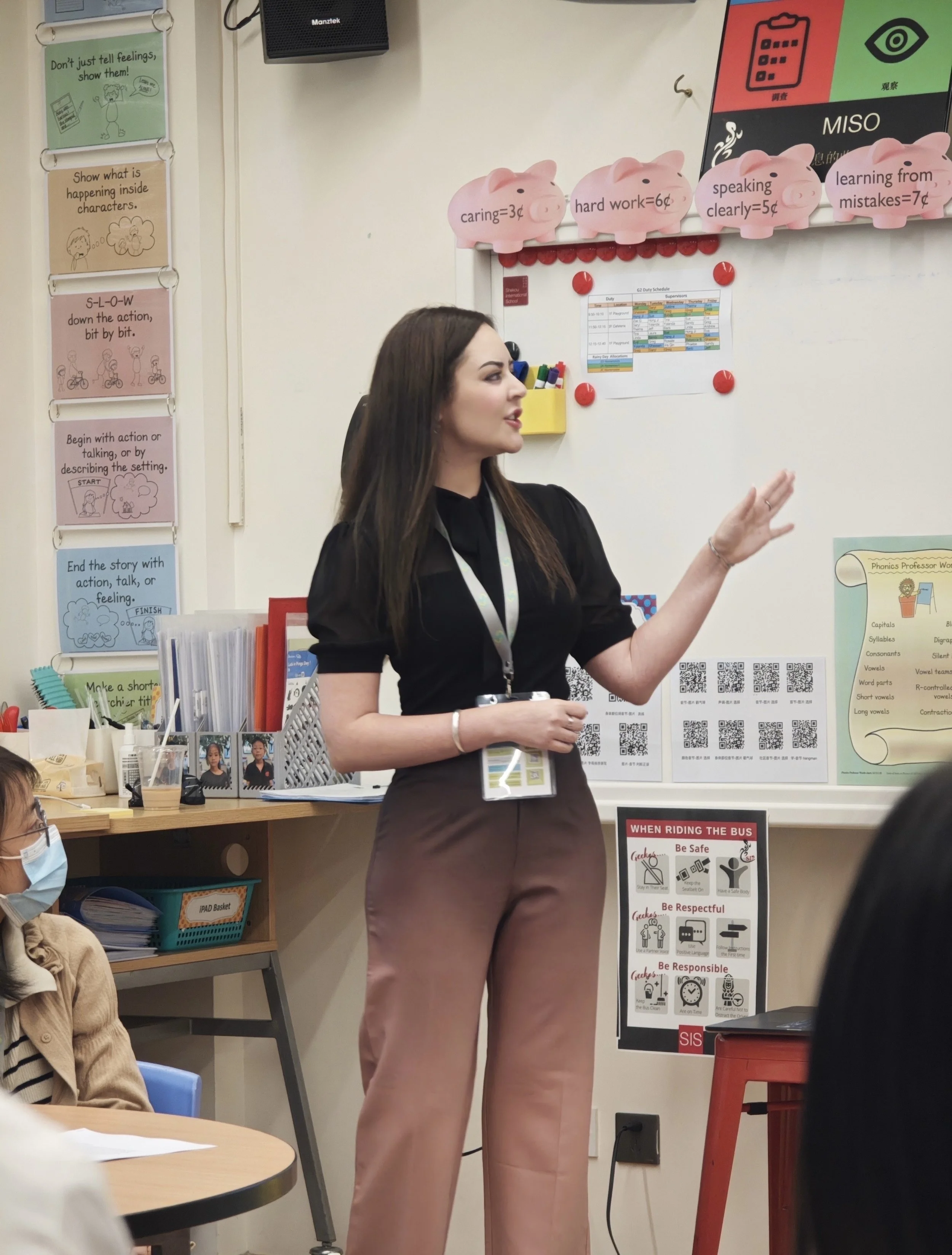
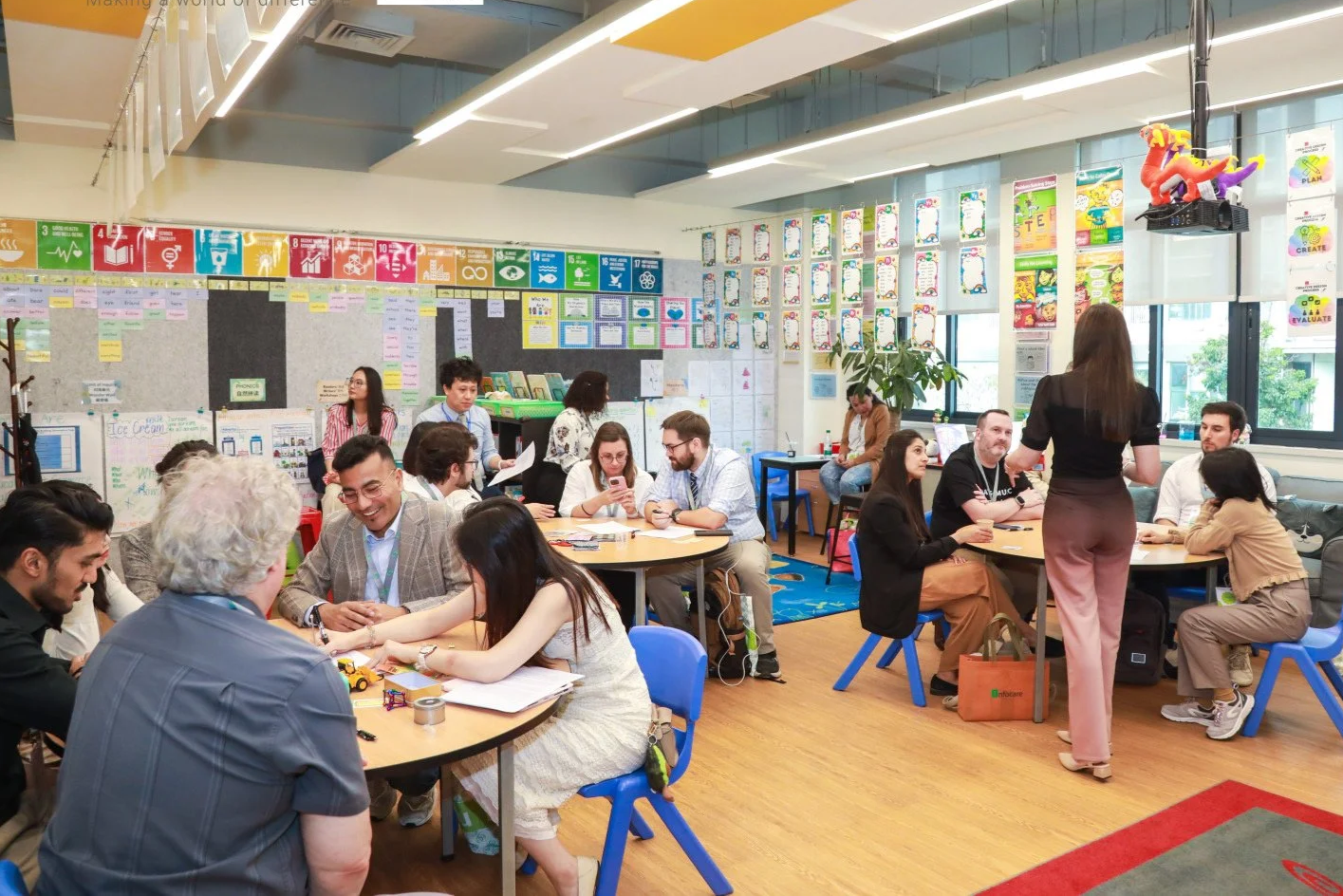
Modern learning environments can no longer be built around passive participation and task completion alone.
As the world becomes increasingly complex, students must learn how to think within systems, contribute within teams, and operate effectively in environments where answers are not always clear.
This framework restructures how students participate within academic learning.
Lessons are designed around defined forms of thinking, contribution, and responsibility that shape how students engage with content. Academic rigour remains central, but the role of the student becomes more active, visible, and sophisticated.
Drawing inspiration from professional and interdisciplinary environments, the framework helps teachers redesign existing lessons so that students learn not only what they know, but how they contribute through what they know.
The result is a more intentional classroom environment where participation is designed, thinking becomes visible, and learning extends beyond completion toward contribution.

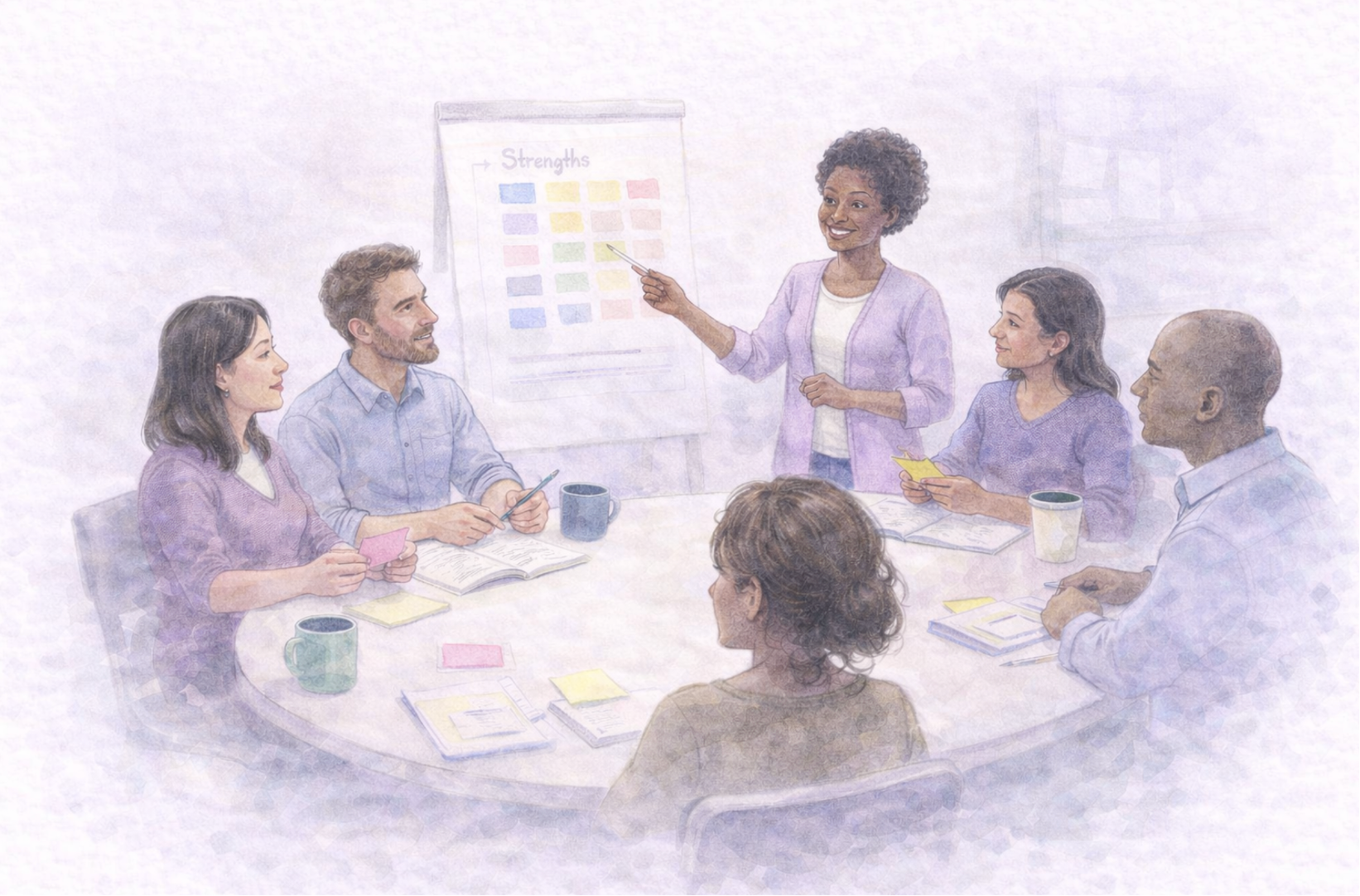
Strengths-Based Systems
Teaching is often sustained through effort, but it becomes sustainable through alignment.
Grounded in strengths-based professional development, this program focuses on how educators naturally think, lead, communicate, and contribute within the classroom. Rather than working from deficits or standardised models, SBPD begins by identifying the strengths teachers already bring to their practice and using these as the foundation for development.
The program helps teachers recognise how their strengths shape lesson design, assessment, classroom culture, decision-making, and student relationships. As this becomes more intentional, teaching becomes more consistent, more structured, and easier to sustain over time.
This approach moves beyond generic professional development by positioning strengths as a driver of professional performance and contribution within the school. Teachers are not asked to change who they are. Instead, they refine and extend what already allows them to operate effectively.
Research shows that strengths-based development is linked to higher engagement, stronger autonomy, and improved wellbeing. When teachers understand how they contribute most effectively, they are better able to create stable learning environments and maintain high-quality practice over time.
The program is practical and implementation-focused. Teachers apply the approach directly to their own classroom contexts, ensuring that what they develop is relevant, usable, and sustainable in everyday practice.